The ZDRM's area of activity covers 47 Slovenian municipalities — 36% of the surface of Slovenian state territory on both sides of the former border.
The society was founded in Podbrdo and has since worked continuously in the fields of research, public awareness-raising and networking among historians and history enthusiasts.
The Rapallo Border was a shared reality for three peoples. We cooperate with Slovenian, Italian and Croatian researchers of the border region.
The Rapallo Border Historical Society (ZDRM) was founded in 2017 in Podbrdo. It focuses on interdisciplinary research, public awareness-raising and networking among professional and amateur researchers, as well as organising a wide range of events — from field visits to international symposia. Our work bridges the gap between individuals, organisations and institutions engaged with the period of the Rapallo border.
In the final military operations of the First World War, Italian forces advanced into western Slovenian ethnic territory. The Treaty of Rapallo in November 1920 formalised this occupation and divided the Slovenian national body for 27 years. This was no brief interlude — it was a quarter-century odyssey of western Slovenian territory.
The Rapallo Border Historical Society aims through its work to prevent the forgetting of a period that was a severe trial for Slovenia and the Slovenian community. We place at the forefront the lives of the inhabitants along the border and of those who guarded and monitored it on both sides — with all the lights and shadows of that time.
At ZDRM we take a comprehensive view of the area along the Rapallo border — covering both the municipalities that remained in Yugoslavia after 1920 and those that were part of Italy. We recognise that all these experiences shaped the specific political, cultural and demographic development of the region and continue to define the fundamental socio-geographical characteristics of the area today.
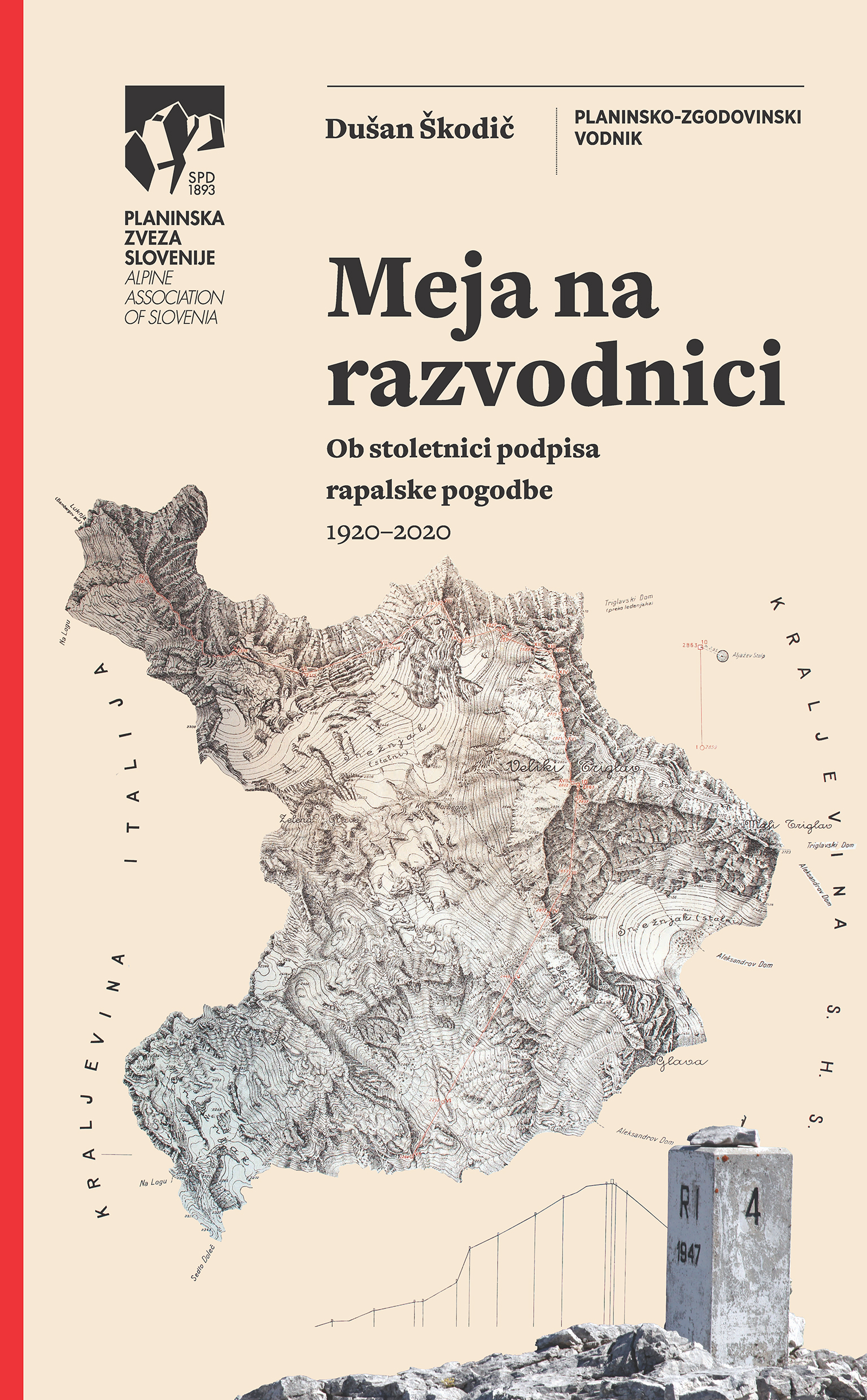
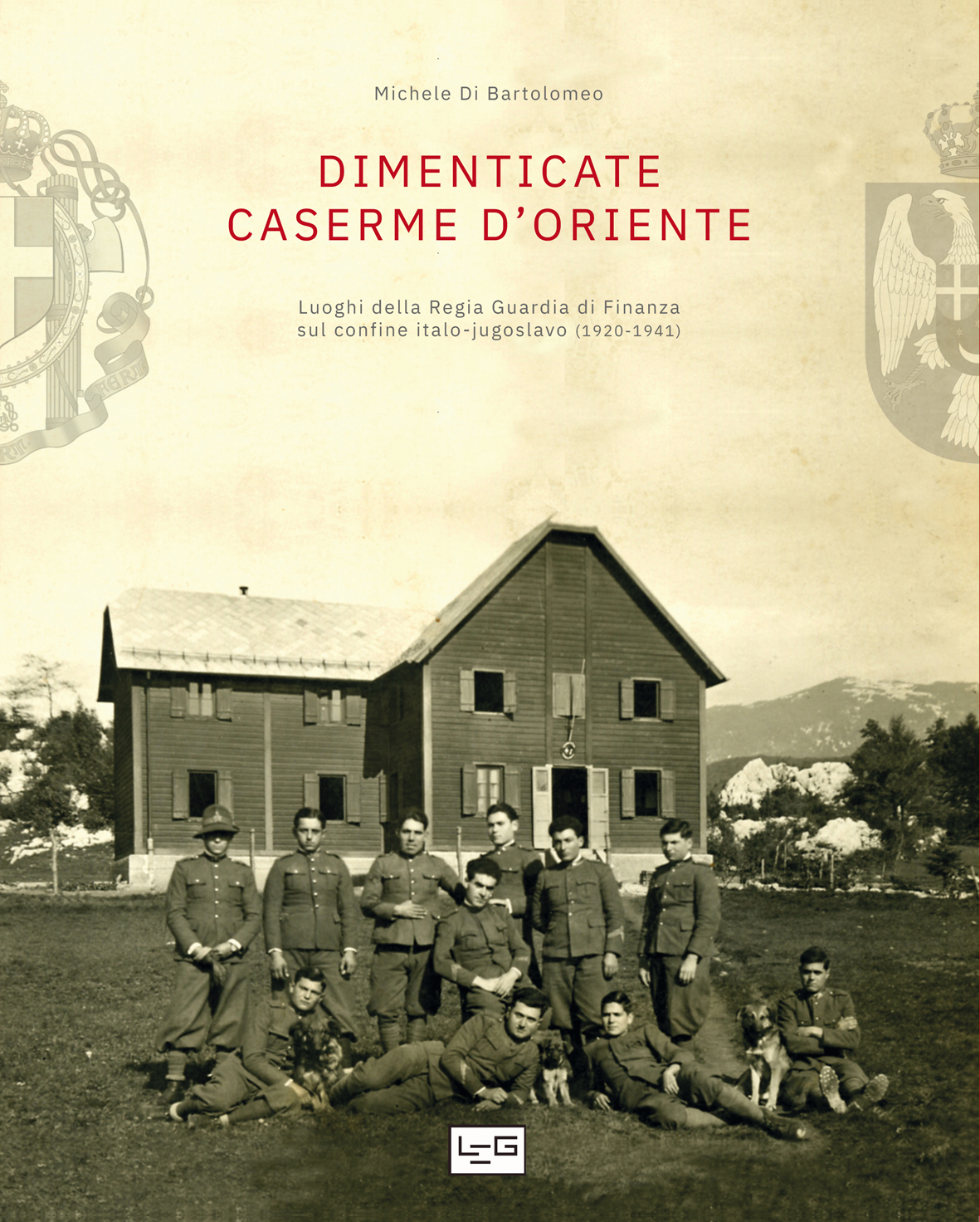
ZDRM encourages and supports the publication of scholarly works on the Rapallo period. Selected titles:
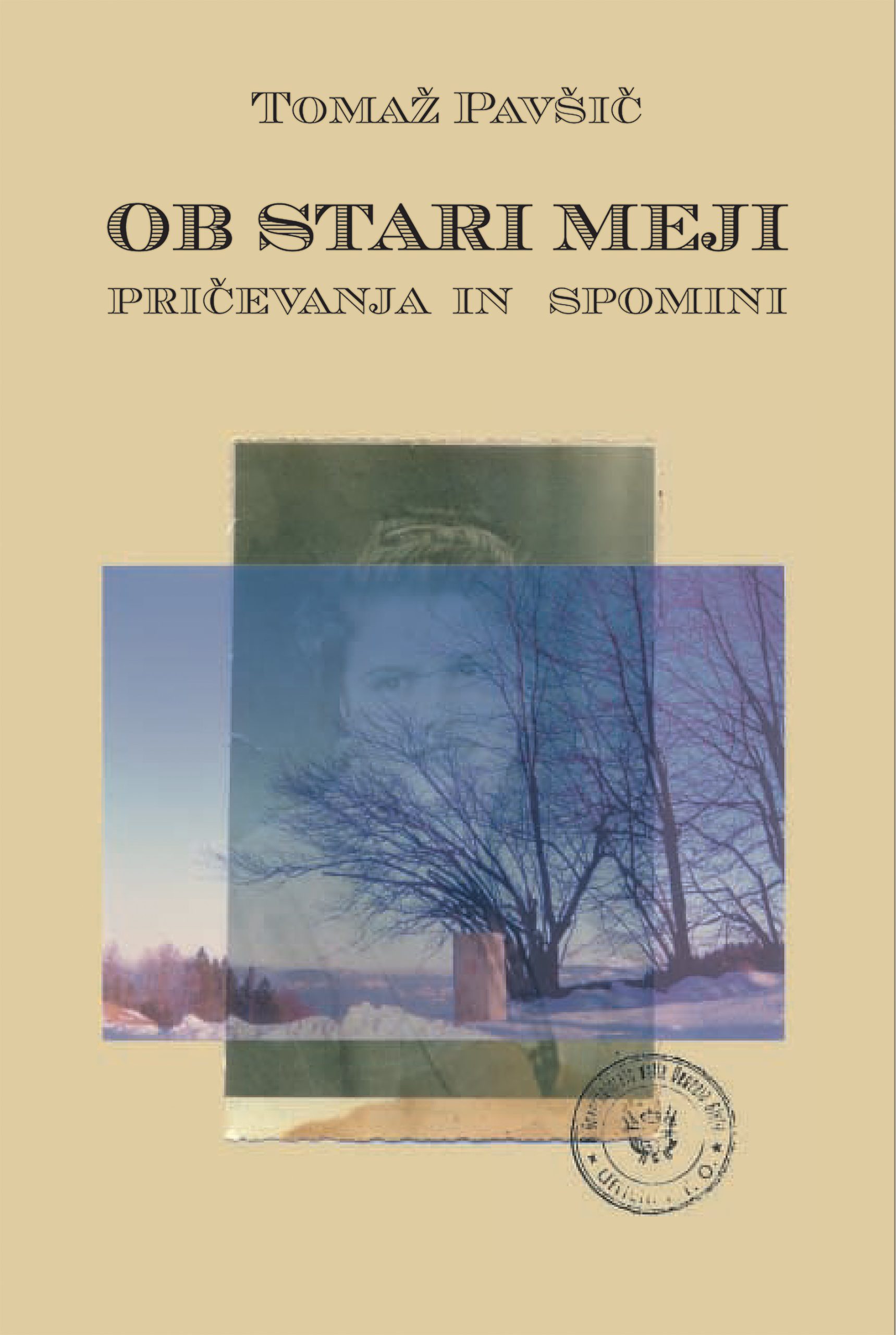

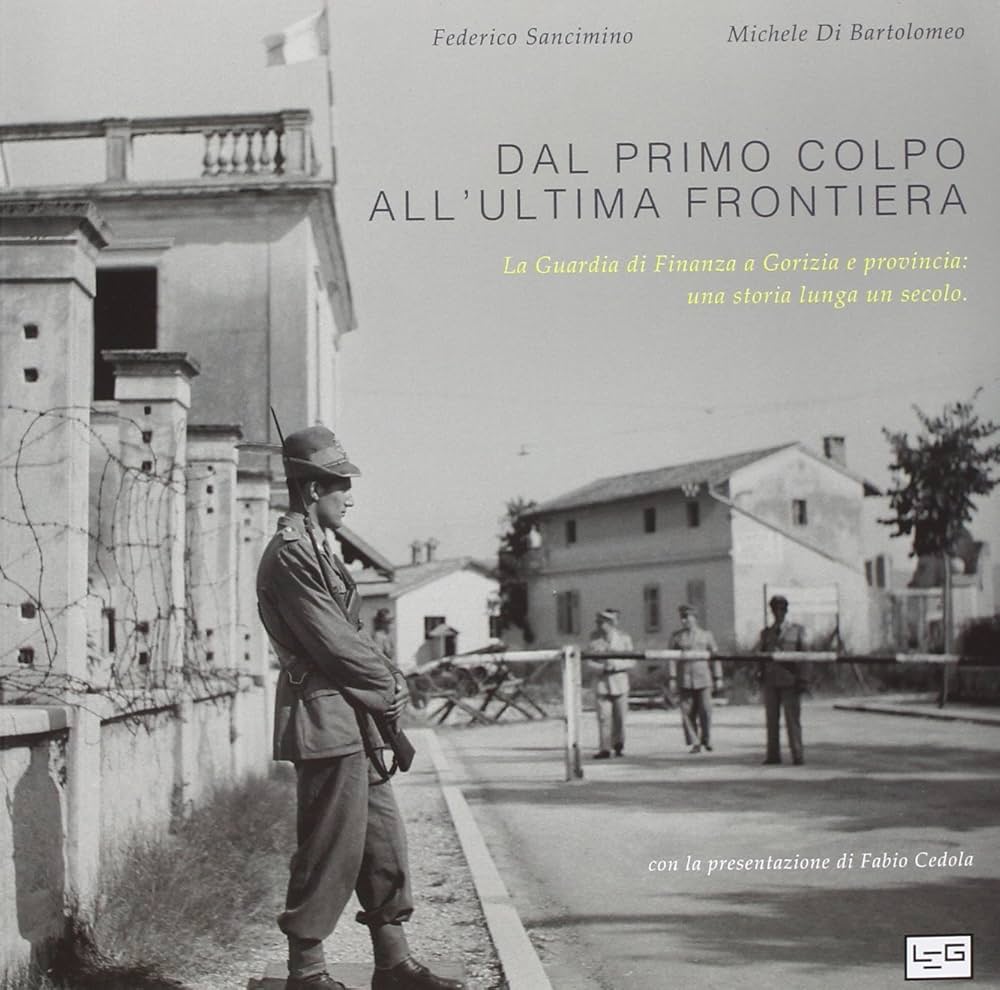
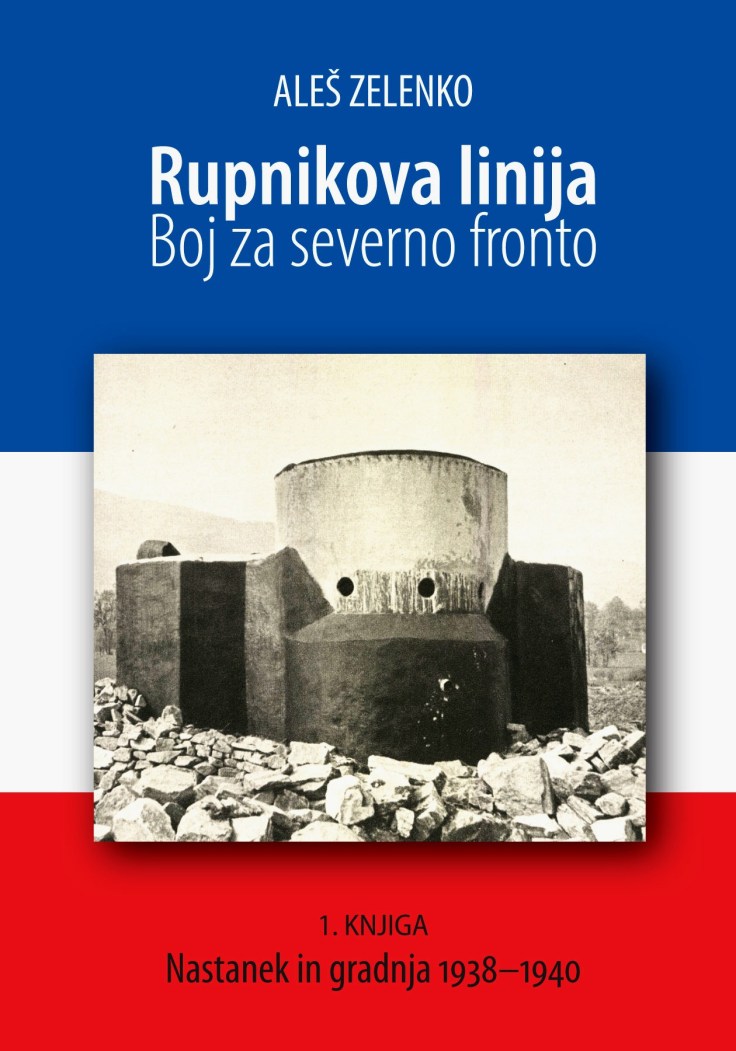
From the first days after the collapse of Austria-Hungary to the signing of the Paris Peace Treaty in 1947, the western Slovenian lands experienced occupation, partition and a slow national renewal. The Rapallo Border marked a quarter of Slovenian ethnic territory and shaped the lives of hundreds of thousands of Slovenes living under foreign rule.
The National Council of SCS in Ljubljana proclaims the State of Slovenes, Croats and Serbs. In the Littoral — in Gorizia, Trieste and elsewhere — national councils seize power and declare accession to the new state. The Italian army, which occupies the territory in the following days, dissolves these bodies and declares their authority illegitimate, ending the brief period of Slovenian self-rule in the Littoral.
On the basis of the armistice between Austria-Hungary and the Entente, Italian forces occupy western Slovenian territory. Italy invokes the London Pact of 1915, which promises it extensive territorial gains in the eastern Adriatic.
Italy and the Kingdom of SCS sign a bilateral border agreement in Rapallo. The border cuts off Trieste, Gorizia, Istria and a large part of the interior as far as Snežnik from Slovenia. The treaty is signed in Villa Pagana (then Villa Spinola) by, among others, Carlo Sforza and Ante Trumbić.
The joint border commission with Italian and Yugoslav representatives definitively marks the border on the ground. Border stones with Roman numerals are placed; the commission completes its work in 1925.
The Fascist authorities systematically suppress Slovenian culture and language through administrative and educational reforms. In parallel, both sides construct defence systems: the Alpine Wall on the Italian side and the Rupnik Line on the Yugoslav side.
Italy, together with Germany and Hungary, attacks Yugoslavia — for Italy already the third attack on its eastern neighbour, following the war with the Austrian Empire in 1866 and entry into the First World War in 1915. Italy's eastern border had never been attacked from its side. Slovenian territory is carved up: Germany occupies Styria and Upper Carniola, Italy establishes the Province of Ljubljana. Mass internments, the burning of villages and the taking of hostages in the Ljubljana region spur the formation of the Liberation Front and the growth of partisan resistance.
Yugoslav forces and Liberation Front units liberate the Littoral in the first days of May 1945. After twenty-five years of Italian rule, the territory returns to Yugoslav administration, but the definitive border between Italy and Yugoslavia remains an open diplomatic question.
The signing of the peace treaty officially closes the Rapallo period. The Slovenian Littoral returns to Yugoslavia; the Free Territory of Trieste (FTT) is established, which the London Memorandum finally dissolves in 1954.
Meja ni bila le administrativna ločnica — bila je živa sila, ki je oblikovala vsakdanje življenje, identiteto in spominsko kulturo celotne regije. Te sledi še danes beremo v pokrajini, v jezikovnih posebnostih in v socialnih mrežah skupnosti ob nekdanji meji.
— Iz programskih usmeritev ZDRM
The society's activities, website development, field work and exhibitions are only possible with members' support. With an annual membership fee of €20 you actively contribute to the preservation of the Rapallo border heritage and fund future projects.
For general information, research enquiries or to join our mailing list, write to us at the address below. We welcome every message — from academics and researchers alike.
We share news, field photographs and event announcements on our Facebook page. You are also welcome to join our community group.